Research
Research Overview
Our research focuses on soft matter and biointerface engineering. Soft biological systems, from bacterial cells to living tissues, interact with their surroundings through interfaces that govern mechanical coupling, signal transmission, and the exchange of energy and matter. We seek to understand these interactions and use them to guide the design of functional materials that can operate alongside, communicate with, and influence living systems.
Soft matter provides the common foundation for our research. Our work spans liquid metal composites, hydrogels, and other compliant materials, as well as active biological soft matter such as bacteria and tissues. By connecting material composition and structure with interfacial behavior, we investigate how adaptability, dynamic responsiveness, and biological activity can be incorporated into engineered systems. These principles also guide our integration of functional components, including conductive materials and semiconductors, which extend the capabilities of soft systems.
Our research develops along three connected directions: adaptive soft devices for health monitoring, soft materials for tissue repair and regeneration, and microbial biohybrids for sustainable bioproduction. Across these areas, we combine fundamental studies of material interactions with the development of devices and biological platforms. Our broader goal is to establish design principles for biointerfaces that remain functional in changing biological environments and support applications in healthcare and sustainability.
Adaptive Bioelectronics
Wearable devices must interact with a body that continuously moves, deforms, and changes its physiological state. We develop adaptive soft materials and devices that can accommodate these conditions while maintaining useful electrical and sensing functions. Liquid metals are a central material platform in this direction, particularly when integrated with polymers and other soft matrices to form compliant, structurally reconfigurable composites.
Our interests extend from the behavior of individual material components to the performance of complete devices. We investigate how conductive pathways, material organization, and mechanical properties determine electrical responses under deformation. These relationships allow us to explore devices that respond selectively to motion or other signals, as well as systems that maintain stable operation when deformation would otherwise introduce interference. We are particularly interested in how adaptation within the material itself can contribute to device reliability and functionality.
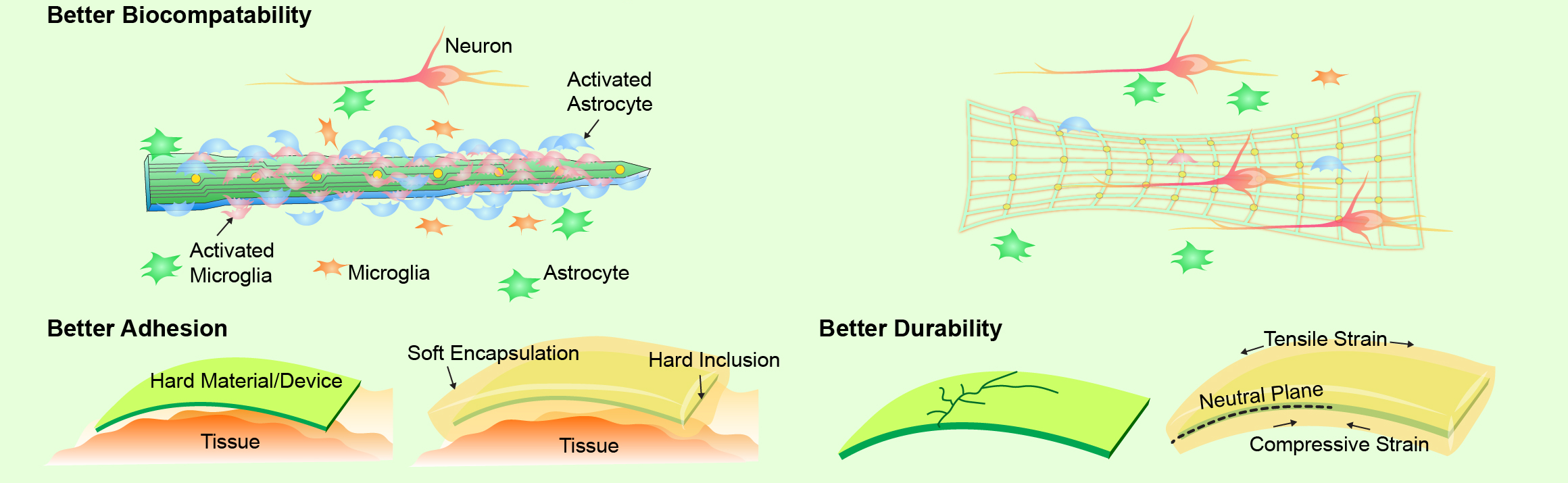
Biointerface design connects these material properties with their intended use on the human body. We seek to improve mechanical compatibility and the quality of signal transfer between soft devices and biological surfaces. Through this approach, we aim to develop electronic textiles, wearable sensors, and related bioelectronic systems for health monitoring and human–machine interaction. Our research explores how adaptive soft materials, including liquid metal–based fibers, can be integrated into functional devices for these applications.
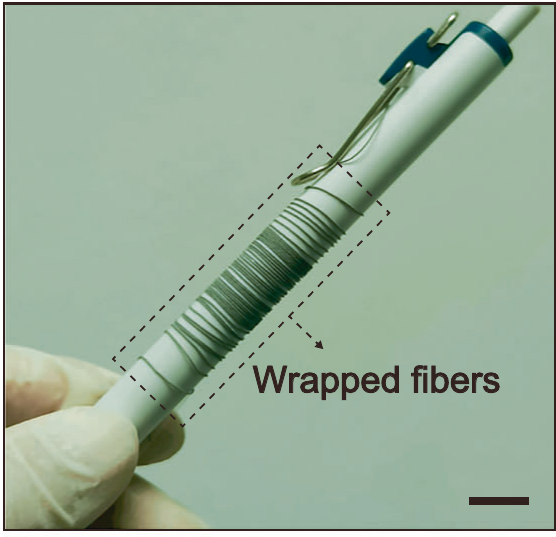
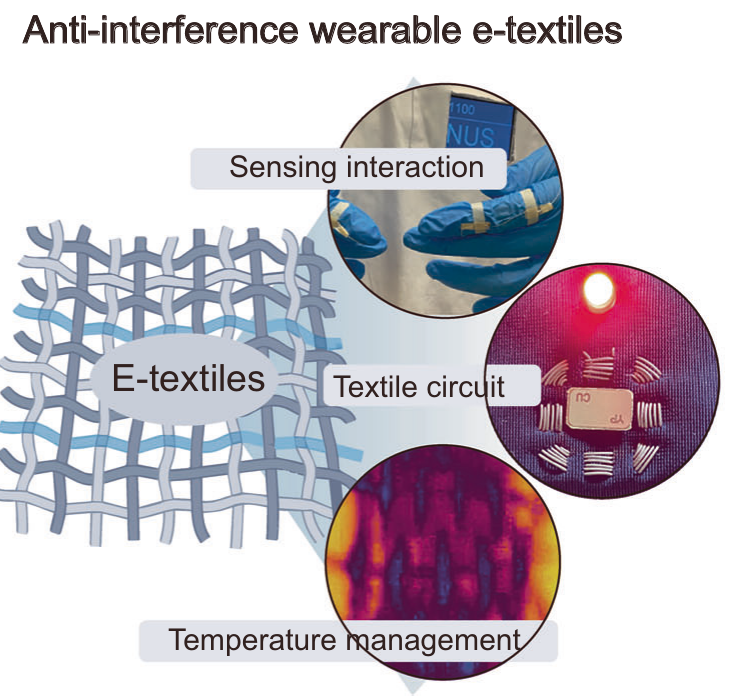
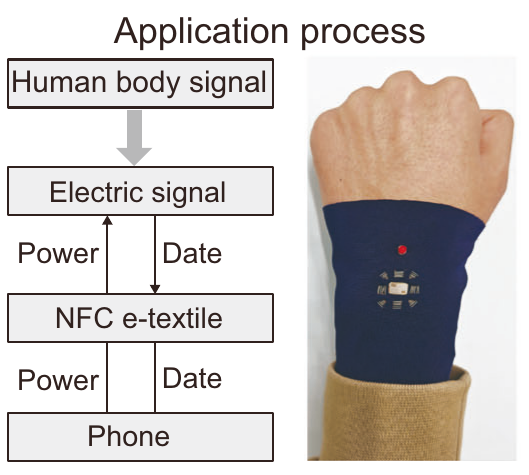
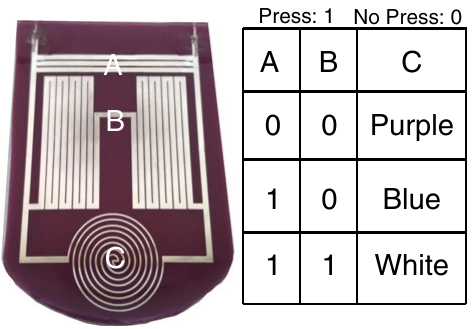
Liquid Metal-Based Soft Devices
Selected Publications
- 1. Nature Communications 17 (1), 4955 (2026).
- 2. Science 385 (6709), 647-651 (2024).
- 3. Advanced Science 7 (12), 2000192 (2020).
- 4. Nature Communications 10 (1), 4187 (2019).
- 5. Lab on a Chip 17 (18), 3043-3050 (2017).
Soft Materials for Tissue Repair
Living tissues are organized soft materials whose functions arise from interactions among cells, extracellular matrices, and their local environment. We draw on this organization to design synthetic and hybrid soft materials that can support tissue repair. These materials provide a means to control mechanics, incorporate biological components, and regulate interactions with tissues.
A central question is how a material should interact with tissue as the biological environment and the healing process evolve. We investigate how composition, architecture, and time-dependent behavior influence these interactions across different length scales. Our interests include bioinspired structures, tissue-like mechanical behavior, and materials that can change their organization or function in response to biological conditions. We also explore the integration of cells, biomolecules, and living components where these can contribute to the intended therapeutic function.
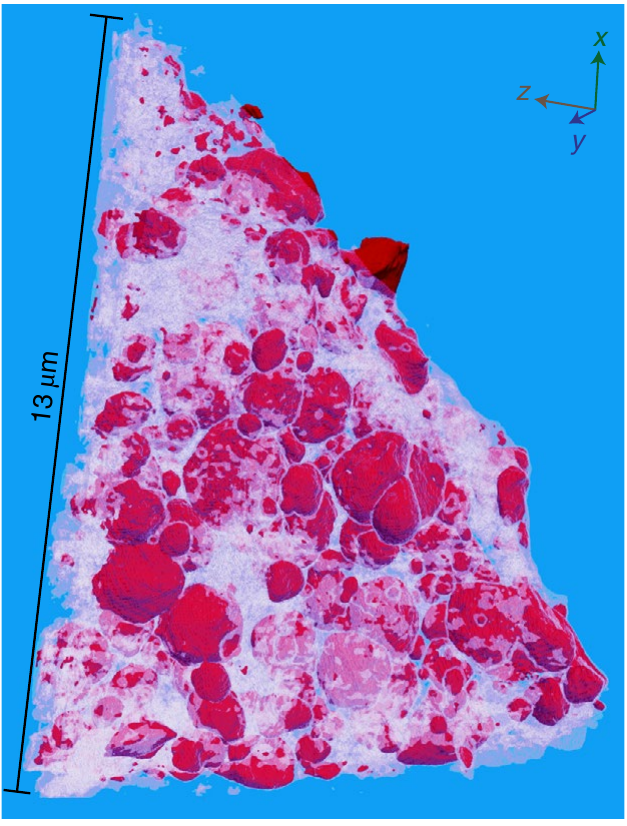
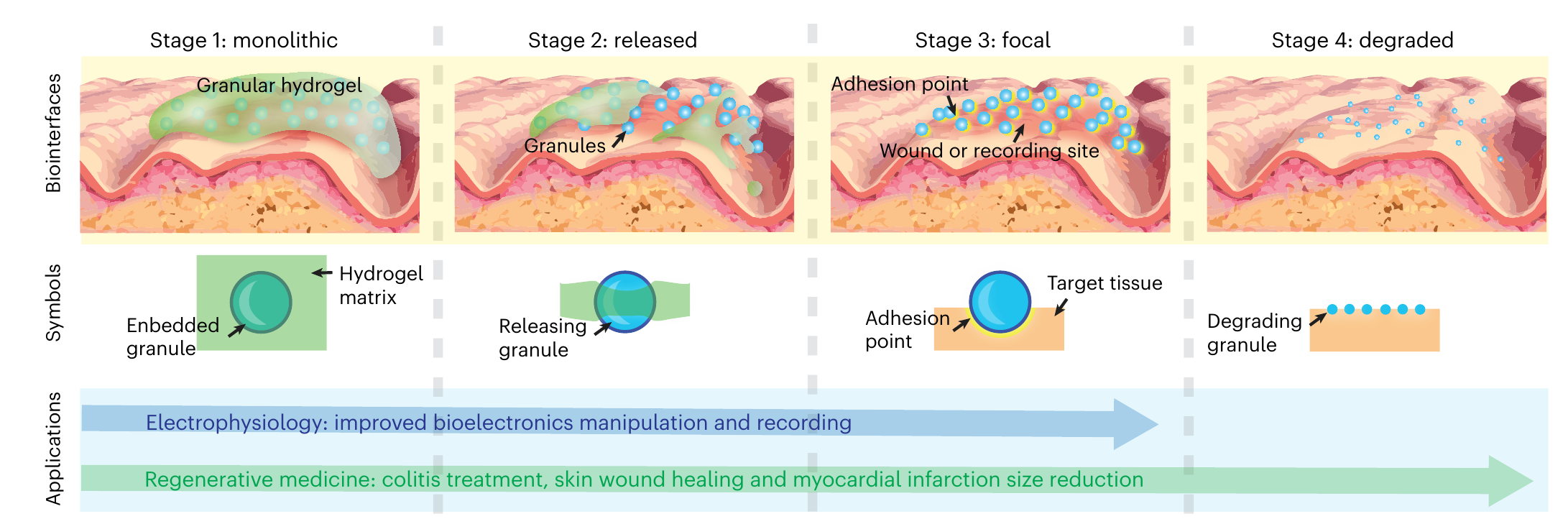
Our focus is on using soft matter design to create a supportive environment for repair, rather than treating a material solely as a passive scaffold. This includes understanding how material–tissue interactions can influence local biological responses and how therapeutic functions can be delivered at the appropriate location and time. Granular hydrogel systems provide an example of this approach. Released granules adhere to tissue, allowing the interface to evolve from broad initial contact to localized sites of interaction. We aim to develop adaptable approaches for wound healing, tissue regeneration, and related biomedical applications, with evolving biointerfaces providing a foundation for connecting material behavior to biological needs.
Soft Materials and Biointerfaces
Selected Publications
- 1. Nature Chemical Engineering 1 (1), 73-86 (2024).
- 2. Journal of Materials Chemistry B 12 (33), 8007-8032 (2024).
- 3. Nature Chemistry 15 (1), 119-128 (2023).
- 4. Nature Materials 21 (6), 647-655 (2022).
- 5. Trends in Chemistry 2 (6), 519-534 (2020).
Microbial Biohybrids
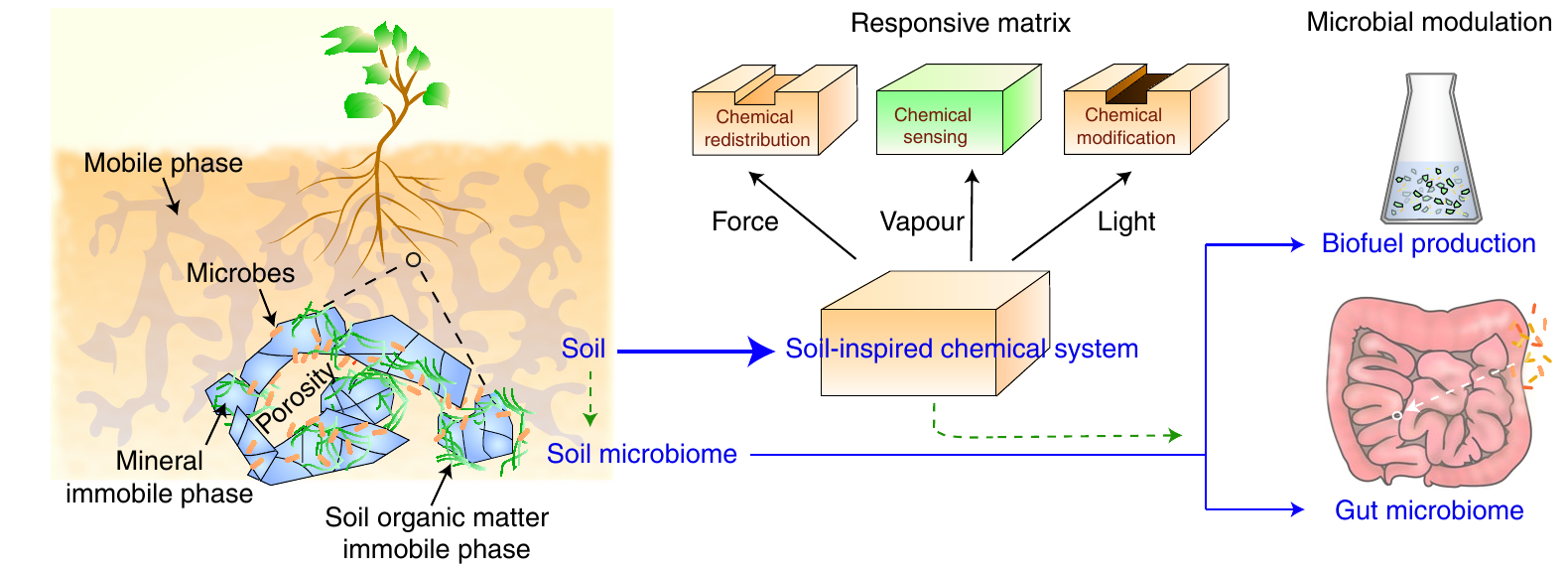
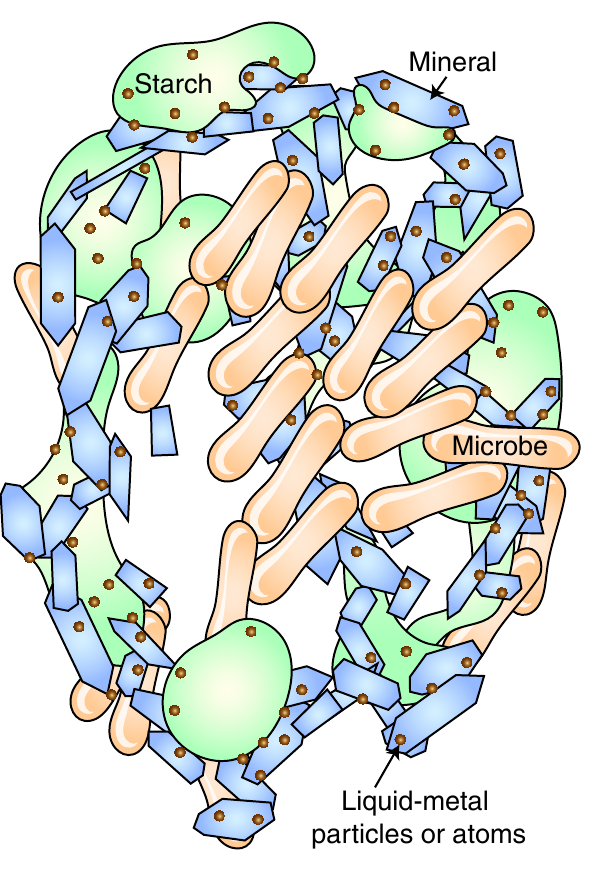
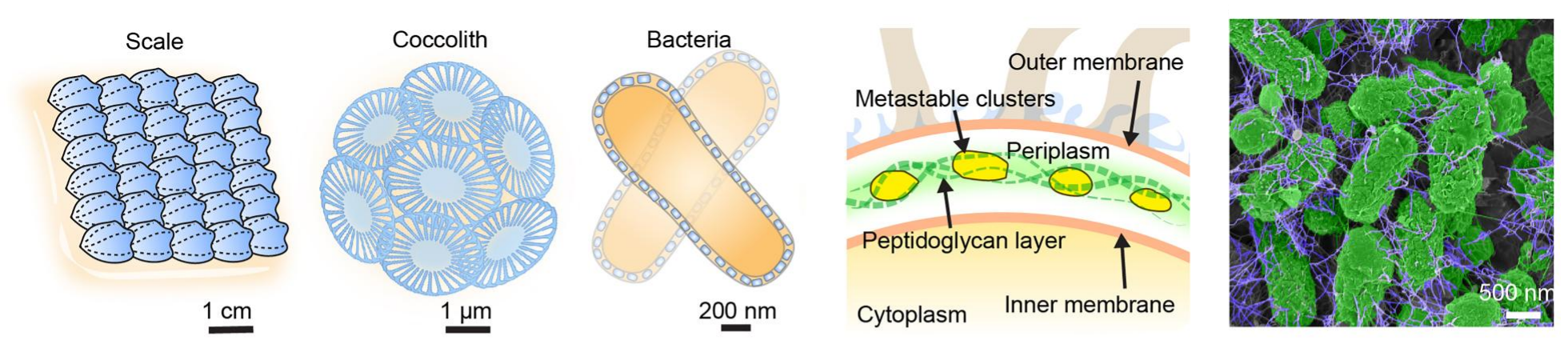
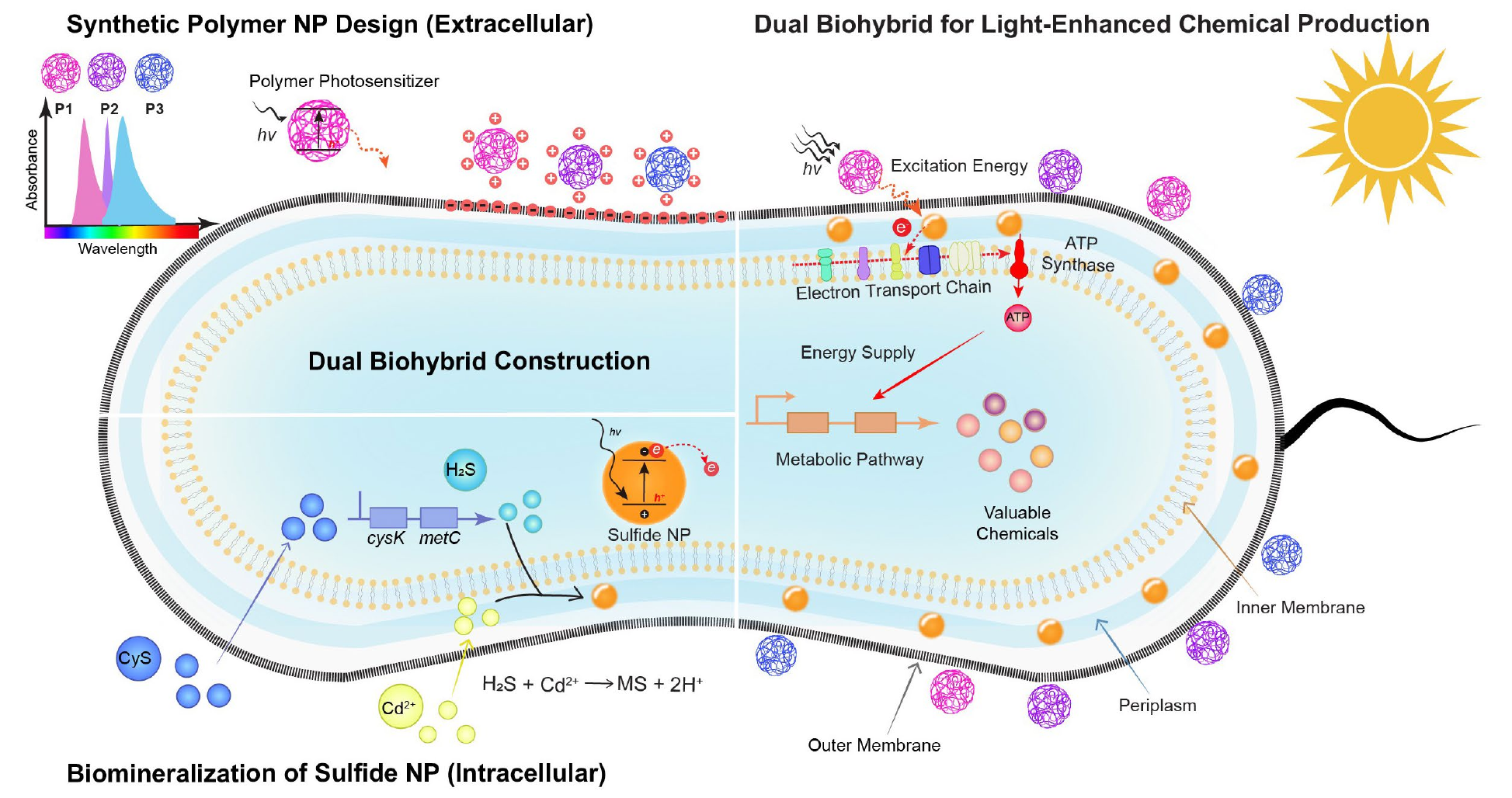
Bacteria are active, living soft-matter systems with the capacity to synthesize chemicals through metabolism. We investigate how their capabilities can be extended through integration with functional synthetic materials, particularly semiconductors and other light-harvesting components. These microbial biohybrids connect the biochemical functions of bacteria with material functions that can capture light and mediate energy transfer.
The biointerface is central to this integration. We study how the organization and location of synthetic components affect their interactions with bacterial cells, and how these interactions influence biological activity and product formation. Our interests include the coupling of photophysical processes with cellular redox chemistry and metabolism, as well as the compatibility needed to sustain the living component of the system. We seek to understand how interfacial design can translate an external energy input into a useful biological response.
This direction brings soft biological matter and functional materials together for sustainable chemical production. Our work includes photosynthesis-inspired biohybrids, semiconductor–bacteria integration, and collaborative approaches to solar-driven biosynthesis and waste valorization. The broader aim is to improve microbial productivity and resource utilization through biointerface engineering, developing biomanufacturing platforms in which living systems and synthetic materials operate cooperatively.
Microbial Biohybrids for Bioproduction
Selected Publications
- 1. Science Advances 12 (40), eaef4504 (2026).
- 2. Nature Sustainability 9 (5), 727-740 (2026).
- 3. Science Advances 9 (29), eadg5858 (2023).
- 4. Nature Sustainability 6 (12), 1673-1684 (2023).